Big Wheels and Bright Lights: Why Game Show Casino Formats Became America's Favorite First Bet
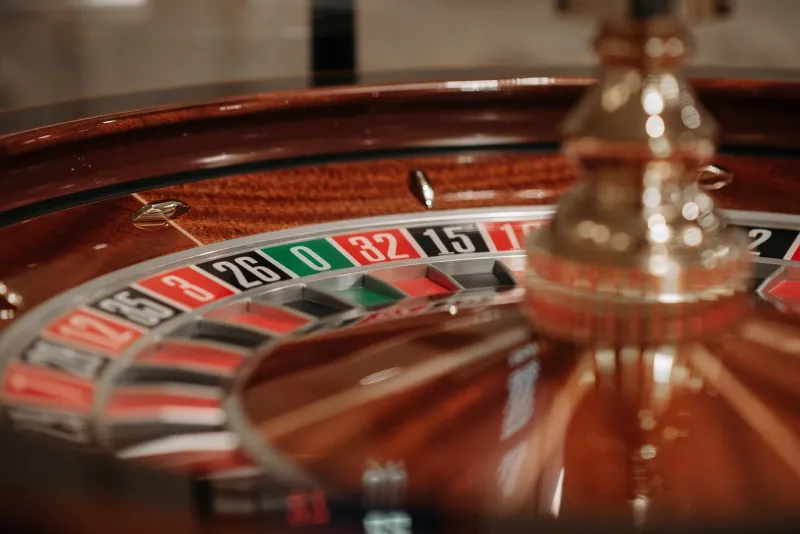
Nobody in Ohio grew up dreaming about a blackjack shoe. But a spinning prize wheel with a tuxedoed host, confetti cannons, and a multiplier board ticking upward? That's a different story entirely.
Live game show casino games — the genre popularized by titles like Crazy Time, Monopoly Big Baller, and Lightning Roulette's flashier cousins — have become the fastest-growing corner of the online casino world, and they're doing something traditional table games never quite managed: pulling in players who have zero attachment to classic casino culture. For a generation raised on Twitch streams, mobile games, and reality TV, the game show format isn't a novelty. It's a native language.
The Game Show Isn't a Gimmick — It's a Design Philosophy
Strip away the lights and the hosts, and most game show casino games are simple wheel-of-fortune style bets at heart. But that simplicity is the point. Where a craps table demands a glossary and blackjack rewards memorized basic strategy, a game show wheel asks exactly one question: where do you want to put your chip?
The genius is in the layering. On the surface, you're picking a number or a color. Underneath, there are multipliers, bonus rounds, and side bets waiting to be triggered. This creates what game designers call a "two-tier engagement loop" — casual players can enjoy the base game while invested players chase the bonus rounds that promise the biggest payouts.
The production values matter more than most players realize. Studios are built like television sets, with multiple camera angles, real human hosts who chat with the audience, and sound design engineered to make every small win feel like an event. It's entertainment first, gambling second — and that ordering is precisely why it works on an audience that might find a standard baccarat table about as exciting as watching paint dry.
Pacing: The Secret Weapon
Watch a live game show round and notice something odd: the downtime is nearly zero. Betting windows are short, rounds resolve in under a minute, and results land with instant visual feedback — lights, animations, the host's reaction.
Compare that to a traditional table game, where a blackjack hand involves decisions, dealer procedures, and chip exchanges. Game show formats compress the emotional arc of a bet into a tight, repeatable loop. Each spin delivers a complete story: anticipation, reveal, resolution.
There's a trade-off here worth being honest about. That rapid loop is engaging, but it also means more rounds per hour, and more rounds mean more exposure to the house edge. A player who'd normally see 40 blackjack hands in an hour might ride 80 or 90 wheel spins in the same timeframe. Fast games are fun games — but fun games move your bankroll faster, too.
Know the Wheel Before You Spin It
Here's where the casual veneer deserves a closer look. Game show games are designed to feel transparent — you can literally see the wheel — but the odds structure is often more layered than it appears.
A few things every player should check before joining:
- Segment counts matter. A wheel with 54 segments pays differently than one with 48, even if the visual layout looks similar. The return-to-player (RTP) is usually published in the game's info panel — read it.
- Bonus rounds aren't free money. The flashy multiplier features typically carry a lower RTP than the base number bets. You're paying for spectacle with slightly worse odds.
- Multipliers are variance, not value. Lightning-style random multipliers make big wins possible, but they're balanced by reduced base payouts. The average return doesn't improve — it just gets lumpier.
None of this makes game show games a bad bet. It makes them a specific kind of bet: high-variance entertainment where the house edge is real but the ride is the product. Treat your stake as the ticket price for the show, not an investment strategy, and the format delivers exactly what it promises.
Why Younger American Players Are the Target Audience
The demographic math is straightforward. Americans under 35 came of age with loot boxes, battle passes, and streamer culture — entertainment formats built on anticipation, chance, and spectacle. Game show casino games slot neatly into that framework. They're also inherently watchable, which matters in an era where plenty of people discover games by watching someone else play them first.
The social layer seals the deal. Live hosts, chat interaction, and shared bonus-round moments replicate the communal feel of a game night rather than the stoic solitude of a slot machine. For players who find traditional casinos intimidating or just boring, that's a genuinely welcoming on-ramp.
Play the Show, Don't Get Played
The rise of game show casino formats is one of the most interesting design stories in modern gaming — proof that presentation, pacing, and personality can matter as much as the underlying math. The best way to enjoy them is with eyes open: know the RTP, set a session budget before the wheel starts spinning, and remember that the confetti falls for the house more often than for you.
The wheel will keep spinning either way. Your job is just to decide, in advance, how much a ticket to the show is worth.