Glamour With a Game Plan: The Hidden Psychology Driving Pin-Up Casino Design
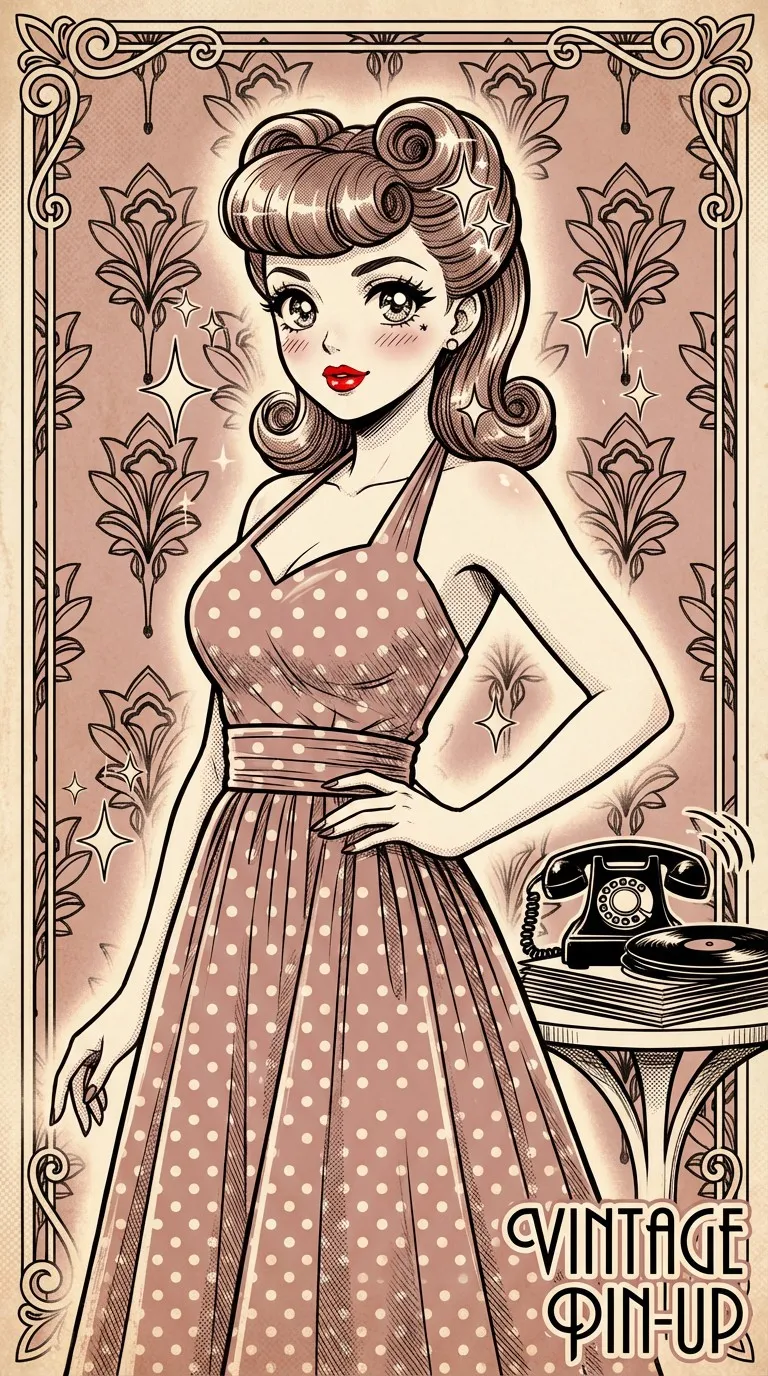
Photo: retro pin-up style casino design vintage glamour color psychology, via images.stockcake.com
Walk into any online casino built around a pin-up aesthetic — the warm reds, the vintage typography, the confident illustrated figures — and something happens almost immediately. You relax. You lean in. You feel, weirdly, like you belong there. That's not an accident. It's architecture. Psychological architecture, to be precise.
At PinUp Casino Suomi, the visual identity isn't decoration — it's a deliberate framework designed to create a specific emotional state in players. And once you understand how it works, you can actually use that knowledge to your advantage at the table.
Why Retro Triggers Trust (And What That Means for Your Wallet)
Nostalgia is one of the most powerful psychological levers a designer can pull. Research in consumer psychology consistently shows that nostalgic cues reduce anxiety, increase risk tolerance, and make people feel more socially connected. For casino design, that's a potent cocktail.
The pin-up era — roughly 1940s through early 1960s — represents a specific cultural moment in American memory: post-war optimism, clean lines, and a kind of breezy confidence. When an online casino borrows that visual language, it's borrowing the emotional associations that come with it. Players feel less like they're navigating a cold algorithm and more like they're stepping into a lounge where the drinks are cold and the stakes feel manageable.
The practical effect? You're more likely to stay longer, explore more games, and feel comfortable placing bets you might otherwise second-guess. Knowing this doesn't make the feeling go away — but it does mean you can check in with yourself: Am I making this bet because the odds make sense, or because I'm just really comfortable right now?
Color Theory Isn't Just for Art School
The specific palette choices in pin-up-inspired casino design are doing serious work. Deep reds and warm golds are standard for a reason — red increases heart rate and creates urgency, while gold signals reward and status. Together, they prime your brain for action.
But here's what's interesting about the more sophisticated applications of this palette: the best-designed platforms balance those stimulating tones with creamy whites, soft beiges, and muted backgrounds. That contrast keeps you alert without tipping into the kind of overstimulation that makes you want to close the tab.
Compare that to the neon-heavy, high-contrast design of older Las Vegas-style interfaces, which were engineered to overwhelm — to make it hard to think clearly. The pin-up aesthetic operates more subtly. It invites rather than assaults. And that invitation is harder to resist precisely because it doesn't feel like pressure.
For American players used to the Vegas-style sensory overload, this shift can feel refreshing. Just remember: refreshing and neutral aren't the same thing. The design is still guiding your behavior — it's just doing it more elegantly.
Visual Hierarchy and Where Your Eyes Actually Go
Every well-designed casino interface uses visual hierarchy to direct your attention — and pin-up aesthetics layer this with illustration-based focal points that traditional UI design simply can't replicate.
When there's a bold illustrated figure at the center of a landing page or game lobby, your eyes go there first. That's not arbitrary. It's a focal anchor, and what surrounds that anchor — featured games, bonus prompts, deposit buttons — benefits from the attention bleed. You notice those elements more because your gaze was already drawn to that part of the screen.
This is why game placement matters so much on visually rich platforms. The slots or table games positioned near those visual anchors get disproportionate play. Smart players take a beat before diving in: scroll the full game library, check the RTP (return to player) rates on options you might not have noticed at first glance, and make your selection based on math rather than proximity to a pretty picture.
The Nostalgia Loop and How It Affects Session Length
Here's a pattern worth watching in yourself: nostalgic environments tend to make time feel different. Specifically, they make it feel like it's passing more slowly — which sounds pleasant, but in a casino context means you may be playing longer than you intended without realizing it.
This is the nostalgia loop. You feel comfortable, time dilates slightly, and the natural exit points — the moments where you'd normally check the clock and decide to call it — come and go without registering. It's not manipulation in a malicious sense; it's just good environmental design doing what good environmental design does.
The counter-move is simple: set a session timer before you start. Most modern platforms, including those built on Nordic-influenced responsible gaming models, have built-in tools for this. Use them. The aesthetic is doing its job — your job is to make sure you're still the one making the calls.
Using Design Awareness as a Competitive Edge
Here's the reframe that matters: understanding casino psychology doesn't have to make you cynical about the experience. You can appreciate a beautifully designed platform and recognize what it's doing. Those two things coexist just fine.
The players who get the most out of visually immersive casino environments are the ones who engage with the aesthetic on their own terms. They enjoy the atmosphere without letting it override their bankroll strategy. They notice when they're feeling unusually relaxed or unusually bold, and they ask themselves whether that feeling is based on anything real.
At PinUp Casino Suomi, the design is genuinely something to appreciate — it's crafted with care, and that craft creates a better gaming experience than the generic, template-built alternatives. But the best version of that experience is one where you're an informed participant, not just a passenger.
Glamour has always had a game plan. Now you know what it is.